Reflections on a Mad Course
On the first day of the second semester, I remember it being extremely cold outside, which heightened my anxiety around meeting my last class of the day. Up until this point, I had only ever taught writing courses to first-year and upper-class students. These students were going to be different. The majority of them would be English majors, and by default, would be looking forward to the content. Maybe, I thought. Once I entered the room, I let out a half smile as I noticed all 20 students. I was met by many with the same kind of half smile.
“Good morning, everyone, welcome. The course title and scope have been slightly changed. Together, we will be journeying through a course called “The Legacy of the Mad Black Woman.”
One of the initial questions I asked during that first day was how do we define madness, which I expected many of them to define it through the lens of everyday life. But to my surprise, many of the students offered examples such as “Lady Macbeth,” “The Yellow Wallpaper,” or “The Tell-Tale Heart.” From that moment, I knew my audience was very different from the one I am very familiar with, standing in front of twice a week. The primary course questions were: what is at stake when we label black women characters as mad? What are the implications that these labels have on the lived experiences of black women characters? How do these implications mirror real systems that shape black women’s lives off the page? I had never expected to be able to design and teach a course of this kind, so soon in my career, six months post-grad school, but the opportunity was transformative and rich.
Each week, we’d spend each class session grappling with whether a particular black woman could be labeled mad based on her behavior. Despite each class session following a specific format, students would constantly return to a question that wasn’t directly asked of them: Who gets to define madness? Responses ranged from patriarchal society to white men. While there is validity in these statements, halfway through the semester, I challenged students to take their thinking further. After reading a few excerpts from the novel Queenie (2019) by Candice Carty-Williams, I asked students to consider how madness is positioned in relation to patriarchy, which prompted one student to suggest that many of the black women characters were labeled mad for being in proximity to men. This prompting was intentional to encourage students to recognize that madness is defined by patriarchy, but it also plays a role in the alleged “madness” that these black women characters exhibit.
As the semester came to a close, students offered compelling analyses of real-life examples of mad black women, such as Sandra Bland and Carlee Russell, both of whom many students were unfamiliar with until this course. Overall, the general consensus was that madness can’t be contained or defined by one singular entity and is often labeled from a racist and sexist perspective. Many of the mad black women we met were actually just trying to survive within oppressive conditions. While many students mentioned they enjoyed the class, my biggest success was exposing them to a course on madness, which is not a traditional upper-level literature seminar offered at many universities. Still, Mad Studies continues to evolve as a field, and course offerings on the subject remain limited. I’d categorize my class as experiential, and as an interdisciplinary scholar working at the intersections of Mad Studies, Black Feminist theory, and trauma studies, I hope this course and many more come along to question the boundaries between sane and insane, normal and not normal, especially in a time where nothing is what it seems.

As someone who has been a patient in mental healthcare for over a decade, I see its value and importance. At the same time, I see the systemic issues it can cause, such as a lack of access or flattening the lived experiences of marginalized people. This course was designed on the premise that madness could represent a multitude of possibilities, both good and bad.


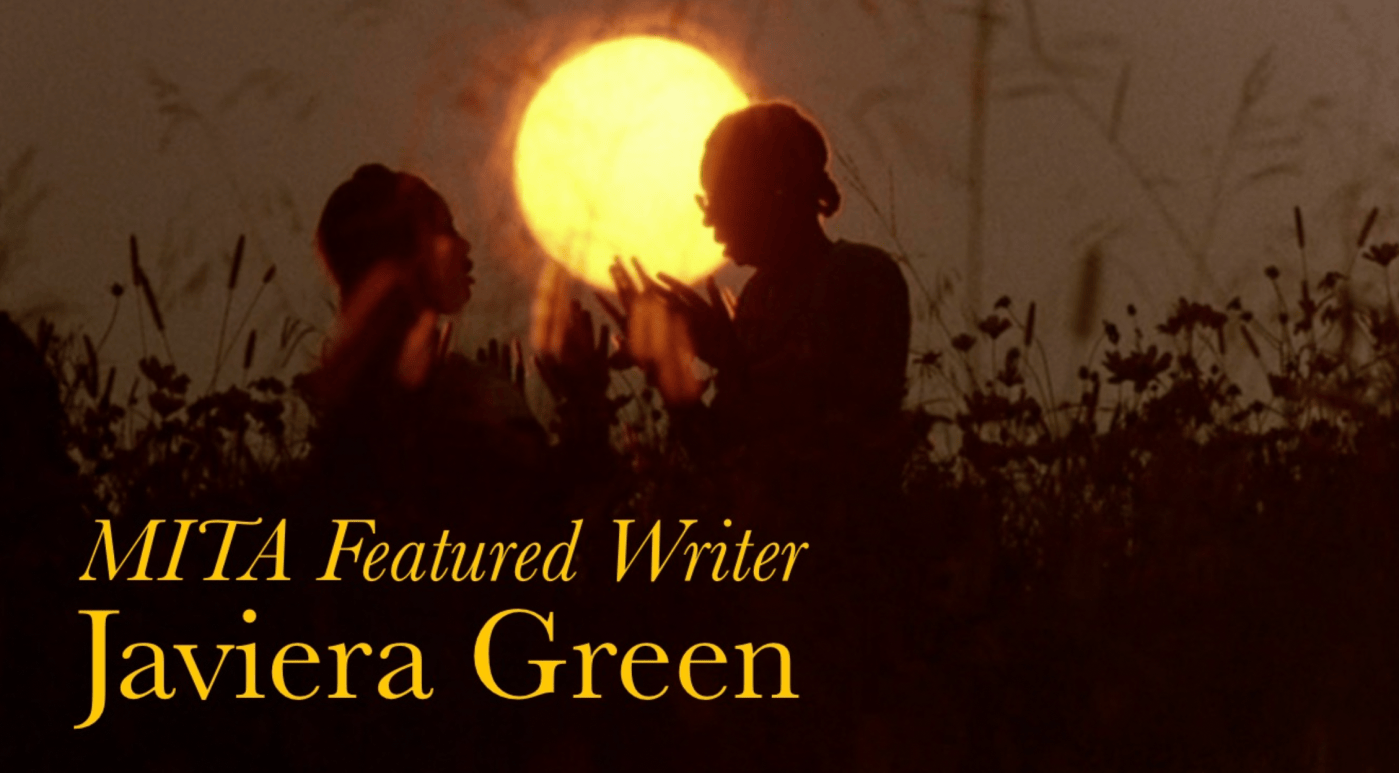
Javiera’s research examines madness as a critical lens in twentieth- and twenty-first-century African American novels, exploring how literature engages with questions of sanity, care, and survival. Furthermore, Dr. Green’s work engages in interdisciplinary conversations across Black Studies, Gender and Sexuality Studies, Medical Humanities, and Critical Psychology. In her spare time, she enjoys drinking coffee and traveling to learn more about the world.


Leave a comment